The Journey of Mission Light House
A testament to God's enduring faithfulness: from a small fellowship room to an international frontier mission transforming unreached nations.
Evolving Through the Years
The Genesis: End Time Outreach Mission (ETOM)
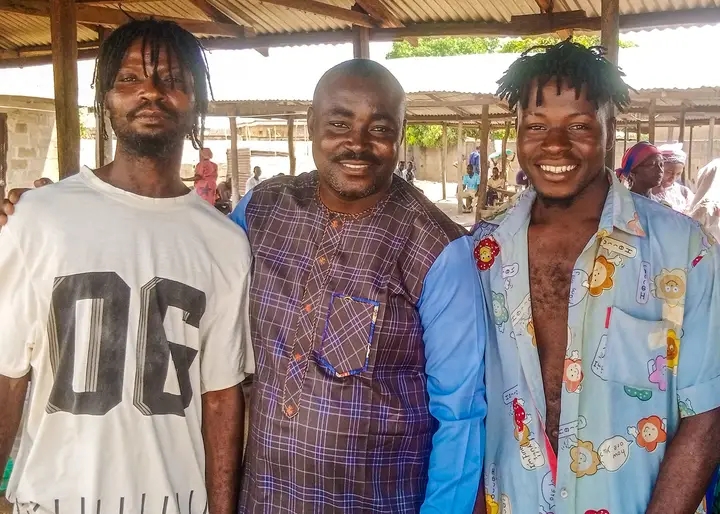
The vision was conceived by divine inspiration in a single room in Wukari through Bro. Miracle Ishaya and notable companions, Bro. Justice Daniel and Bro. Godwin Aboshi, setting the spark for global soul-winning.
Metamorphosis & Realignment
The growing core fellowship officially transformed into a fully fledged ministry, moving into its first spacious office facility. Under spiritual conviction, the name was officially changed to Mission Light House—symbolizing a family of faith illuminating dark territories.
International Expansion: Wa Kumasi, Ghana
In obedience to the global vision, Mission Light House crossed national boundaries to plant an enduring mission presence in Wa Kumasi, Ghana, pushing frontiers further out into the African continent.
Legal Incorporation
To establish structural excellence, transparency, and administrative governance, the agency was formalised and officially incorporated with the Corporate Affairs Commission (CAC).
Wukari Mission House Dedicated
Transitioning from rented spaces, the ministry acquired its permanent operational baseline property, christened the Wukari Mission House, serving as its initial central command headquarters.
Strategic Relocation to Jalingo
Following absolute divine instruction, the administrative headquarters of Mission Light House was relocated from Wukari to Jalingo. Today, the Jalingo Mission House serves as the heartbeat and launchpad for global operations.
Established Fields & Territories
In obedience to the Great Commission, we safely implant indigenous missionaries to live among priority groups, plant local assemblies, and nurse them into self-governing maturity.
Our Holistic Operational Methodology
Reaching the total man requires an uncompromising blend of spiritual research, rigorous training, and compassionate charity help.
Frontier Missions
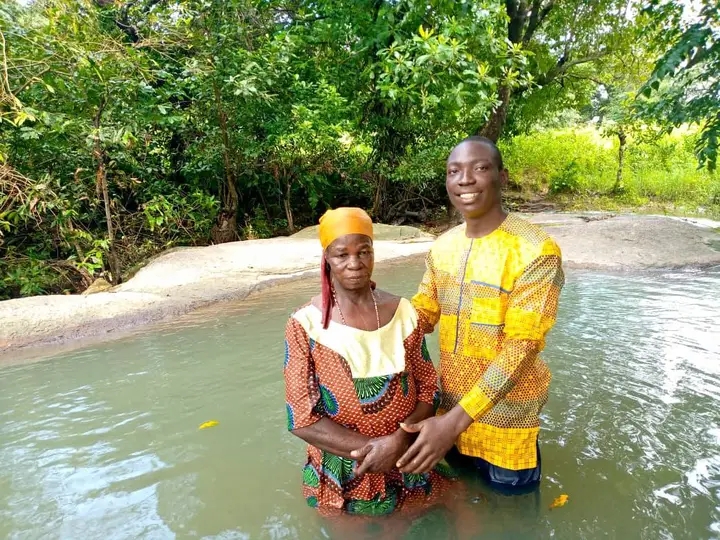
We carry out evangelism among target people groups to plant indigenous churches through our deployed missionaries who live in their midst, raising indigenous believers who will grow into maturity and leadership.
Mission Training
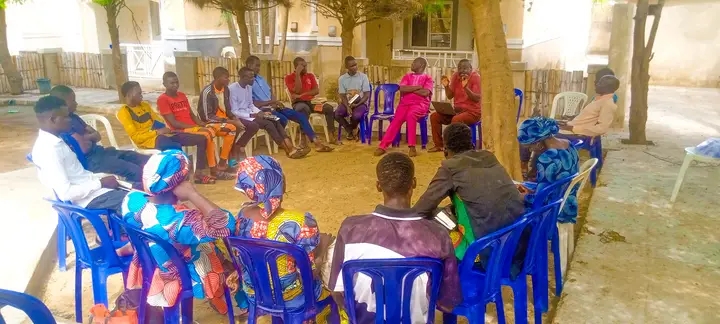
We run formal cross-cultural training for would-be missionaries to equip them for an effective and enduring ministry, especially where the gospel has not been preached, both in Nigeria and the world at large.
Mission Mobilization
We create awareness on the enormity of the mission task today, mobilizing the church to engage in the unfinished task, raising prayers, workforce, and strategic financial assistance.
Mission Research & Documentation
We conduct research on people groups in order to ascertain priority groups. We use these results to mobilize the church and place our missionaries for contextualized evangelism.
Holistic & Developmental Works
We believe in reaching the total man with the holistic gospel. We identify felt needs and seek to meet them through literacy, primary health care, water projects, and free education.
Transparent Stewardship
Financial and material gifts are necessary to facilitate the work and support the workers. These can be in the form of cash, medicine, stationery, clothing, office equipment, or vehicles. All financial gifts via checks, drafts, or bank transfers are made payable directly to Mission Light House and used precisely as desired by the donors.
Strategic Intercessory Pillars
Join us in locking arms against dark strongholds across the unreached territories by lifting up these historical targets for Mission Light House:
1. Frontier Field Security & Breakthroughs
Divine preservation and spiritual openings for all missionaries deployed across Taraba, Niger, Bauchi, Adamawa, Sierra Leone, and Ghana.
2. Stable Base Partnerships
Supernatural connections with consistent institutional partners to permanently sustain field allowances and ongoing capital deployments.
3. Total Man Community Transformation
That our clean water, free education, and medical initiatives break socio-cultural barriers and serve as pathways for local church planting.